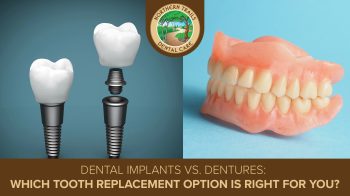
Dental Implants vs. Dentures: Which Tooth Replacement Option Is Right for You?
 Missing teeth can affect everything from your ability to chew and speak comfortably to your confidence and overall oral health. If you are weighing dental implants vs dentures, understanding the differences, benefits, and long-term considerations of each option is essential. Whether you’re looking for a permanent solution that mimics natural teeth or a quicker, more budget-friendly approach, this guide will help you make an informed decision that suits your lifestyle, oral health, and personal goals. For folks throughout the Upper Peninsula, including Marquette, Gwinn, and Escanaba, Northern Trails Dental Care provides expert guidance to help you restore both function and confidence in your smile.
Why Replacing Missing Teeth Matters
Health Reasons
When teeth are missing, the surrounding bone often begins to shrink over time because it no longer receives stimulation from tooth roots as you chew. This can lead to changes in your bite, making it harder to chew food efficiently and potentially causing uneven wear on remaining teeth. Poor chewing ability can also affect digestion, as food may not break down properly before it reaches your stomach. Depending on which tooth replacement you choose, replacing missing teeth can help maintain the integrity of your bite, support efficient digestion, and preserve jawbone health.
Confidence and Quality of Life
Missing teeth can also affect your confidence and daily life, making you feel self-conscious when speaking or smiling, or avoiding certain foods you used to love. Restoring teeth can improve not only your appearance, but your comfort, speech, and social interaction, too. Modern tooth replacement options are designed to look and feel natural, so you can eat, speak, and smile without worry.
What Are Dental Implants?
Dental implants are considered permanent tooth replacements designed to mimic the function and appearance of natural teeth. They provide a foundation that supports individual crowns, bridges, or even implant-supported dentures.
How Implants Work
A dental implant consists of three components: the implant, the abutment, and the crown. The implant itself is a small titanium post surgically placed into the jawbone, where it fuses with the bone through a process called osseointegration. The abutment connects the implant to the crown, which is the visible portion of the tooth. This combination restores both the root and the tooth, providing stability similar to a natural tooth.
Benefits of Dental Implants
Dental implants offer several advantages over other replacement options:
- Stability: Unlike removable dentures, implants are anchored securely in the jaw, preventing slipping or clicking.
- Bone support: By stimulating the jawbone, implants help preserve facial structure and can help prevent bone loss.
- Natural feel: Implants look, feel, and function like your natural teeth, making it easier to chew, speak, and maintain oral hygiene.
Considerations
Dental implants require a longer treatment timeline compared with dentures. Healing and integration can take months, and multiple appointments may be necessary. While implants typically involve a higher upfront cost, they offer long-term durability and may be a more cost-effective solution over a lifetime.
What Are Dentures?
Dentures are removable prosthetic teeth designed to replace missing teeth and restore function and appearance. They are a time-tested option that can provide immediate results for patients who need many teeth replaced.
Full vs. Partial Dentures
While partial dentures fill in gaps between natural teeth, full dentures replace all teeth in the upper or lower arch. Partial dentures are designed to attach to existing teeth for added stability. Both types aim to restore your bite and smile, though their fit and function differ from implants.
Benefits of Dentures
Dentures can be a practical option for many patients:
- Faster treatment: Dentures can often be made in a few weeks rather than months, providing quicker replacement for missing teeth when compared to traditional dental implants.
- Budget-friendly: They generally have a lower upfront cost compared with dental implants.
- Non-surgical: Dentures do not require surgery, making them suitable for patients who cannot undergo implant procedures.
Considerations
Dentures may require adjustments over time as the shape of your jaw changes. Some patients experience sore spots or require adhesives to keep them in place. They may also limit certain foods or require careful cleaning to maintain hygiene and comfort.
Implants vs. Dentures: Key Differences
Choosing between dental implants and dentures involves understanding how they differ in comfort, maintenance, and long-term health benefits.
Comfort and Chewing Power
Implants provide chewing strength similar to natural teeth, allowing you to enjoy a wide range of foods without worrying about stability. Traditional dentures can slip or move, which may make eating certain foods more challenging and affect overall comfort.
Maintenance and Longevity
Dental implants require regular brushing, flossing, and dental checkups, similar to natural teeth. With proper care, they can last decades. Dentures require daily cleaning and occasional relining or replacement, with a typical lifespan of 5–10 years depending on wear and changes in jaw structure.
Bone Health and Facial Structure
Implants stimulate the jawbone, which helps preserve bone density and facial structure over time. Dentures, while restoring appearance and function, do not provide the same stimulation to prevent bone loss, which can gradually change facial contours.
Who Is a Good Candidate for Each Option?
Oral Health Factors
A dental implant candidate should have sufficient jawbone to support the implant and healthy gums free of disease. Certain medical conditions or medications may influence healing and success rates. Dentures are more flexible in terms of bone and oral health requirements, making them an option for patients who may not be ideal implant candidates.
Lifestyle Factors
Lifestyle considerations also play a role in the success of each treatment. Smoking, teeth grinding, and poor oral hygiene can affect implant outcomes. Dentures may be easier to manage for patients with these factors, but require diligent daily care and occasional adjustments.
What About Implant-Supported Dentures (Overdentures)?
Why Many Patients Choose This “Middle Ground”
Implant-supported dentures combine the benefits of both options. They snap or attach to implants in the jaw, providing enhanced stability and comfort compared with traditional dentures. This approach can improve chewing ability, reduce bone loss, and minimize movement without requiring a separate implant for each tooth.
Your Next Step: A Personalized Plan
What to Expect at Your Consultation
At Northern Trails Dental Care, Dr. Gwendolyn Buck and the team will evaluate your oral health, discuss your goals, and review your options in detail. This consultation includes imaging, a review of your medical and dental history, and a personalized treatment plan tailored to your needs.
Call to Action for UP Locations
If you are considering tooth replacement, schedule a consultation at our Upper Peninsula location in Gwinn, which also serves the Marquette and Escanaba areas. Our team will guide you through your options, answer questions, and help you choose the solution that best supports your health, comfort, and confidence.
Restore your smile with confidence. Schedule a dental implant consultation today and find out if implants are right for you.
Disclaimer: The content of this blog is not intended to be a substitute for professional medical advice, diagnosis, or treatment. Always seek the advice of qualified health providers with questions you may have regarding medical conditions.